Documenting the History of Neighborhoods
Neighborhoods are often the beating heart of communities, rich with stories and history that deserve to be documented. This article explores how to effectively capture and preserve the histories of local neighborhoods, providing practical insights for community members and historians alike.
Understanding the Importance of Local History
Neighborhood histories play a crucial role in understanding the evolution of local culture and identity. According to studies on social cohesion, communities that engage with their histories often see improved relationships among residents. This is largely because shared histories can foster a sense of belonging and community pride.
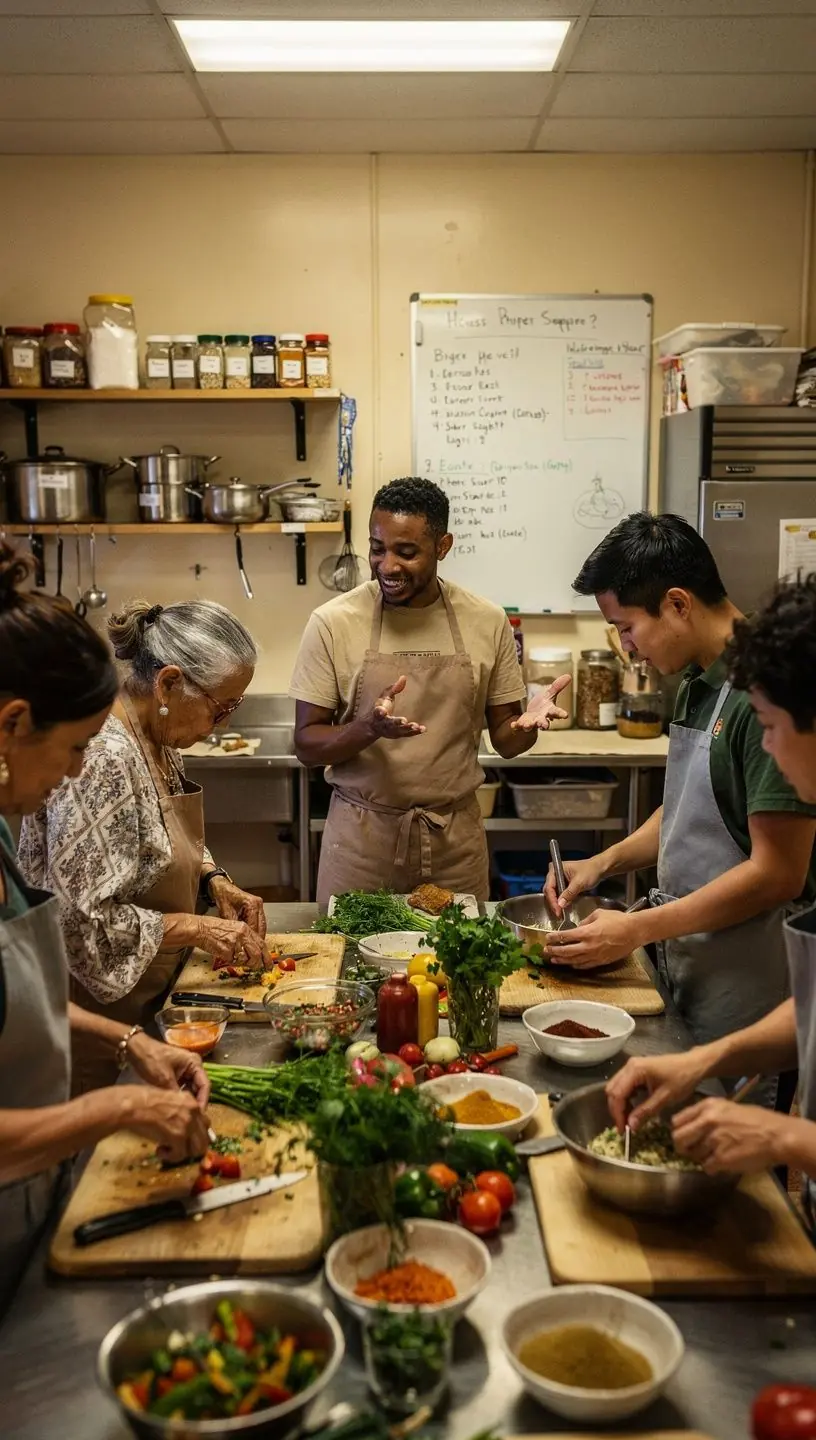
"Understanding our local history is not just about preserving the past; it helps in shaping a better future for communities."
Steps to Document Neighborhood History
Documenting the history of a neighborhood typically involves several key steps:
- Research: Begin with gathering existing documentation, such as historical texts, photographs, and archives. Many experts recommend visiting local libraries or historical societies to access these resources.
- Interviews: Speak with longtime residents who may have personal anecdotes and memories about the neighborhood. These oral histories can provide valuable context and humanize the historical narrative.
- Fieldwork: Take note of significant landmarks and locations within the neighborhood. A geographical survey can help correlate historical events with their physical locations, providing a richer understanding of the area.
- Compilation: Organize your findings into a coherent narrative. This may involve writing articles, creating digital presentations, or even setting up community exhibitions to share the history.
Challenges in Documenting Neighborhood History
While documenting neighborhood history is rewarding, it is not without its challenges. Some common issues include:
- Accessing reliable historical records, which may be scarce or exist in fragmented forms.
- Ensuring representation of diverse voices, as many neighborhoods have complex histories that include marginalized perspectives.
- Facilitating community engagement, which can require significant outreach efforts to involve residents actively.
The Role of Technology
In recent years, technology has played an increasingly important role in preserving local histories. Digital tools, such as mapping software and social media platforms, can help gather and disseminate stories more effectively. For example, community history projects that utilize interactive maps allow residents to contribute their stories and experiences, creating a living archive that evolves over time.
Conclusion
Documenting the history of neighborhoods is a vital endeavor that strengthens community ties and fosters a deeper understanding of local identity. By engaging with history through research, interviews, and technological tools, community members can create a richer narrative that honors the past while shaping future interactions. While challenges exist, the rewards of preserving local history can lead to a more interconnected and informed community.