The Impact of Public Parks on Community Health
Public parks have become essential components of urban planning, serving as vital spaces for recreation and community interaction. This article explores how public parks can influence community health, offering practical insights into their benefits.
Understanding the Basics
Public parks typically serve as communal spaces that promote physical activity, mental well-being, and social interaction. According to research by the Centers for Disease Control and Prevention (CDC), access to green spaces often leads to increased levels of physical activity among residents. This is crucial as regular physical activity is linked to improved health outcomes, including reduced risk of chronic diseases.

"Access to parks and green spaces is associated with higher levels of physical activity and lower rates of obesity." – CDC
Health Benefits of Public Parks
Public parks offer various benefits that contribute to community health:
- Encouragement of Physical Activity: Parks provide opportunities for walking, jogging, cycling, and playing sports. Studies show that communities with accessible parks often see higher participation in physical activities.
- Mental Health Improvements: Green spaces can reduce stress, anxiety, and depression. Research indicates that spending time in nature has restorative effects on mental well-being.
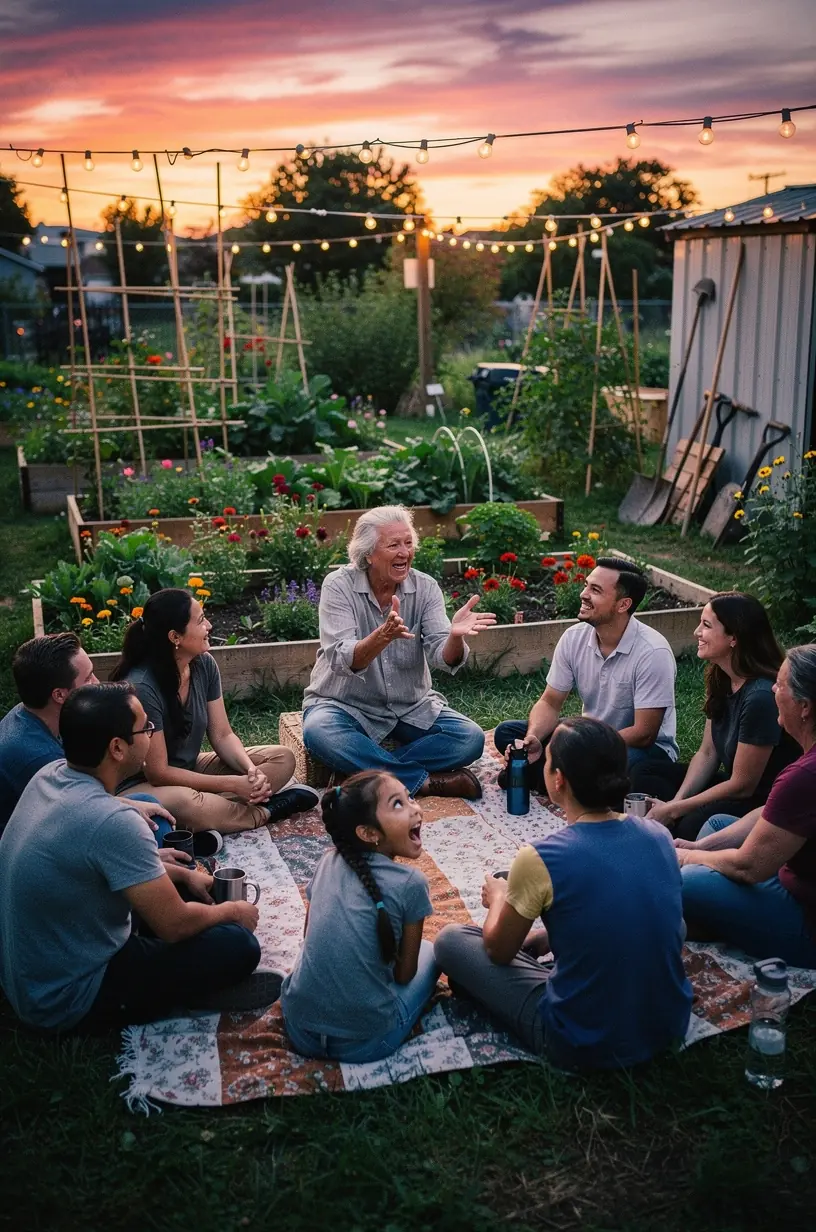
- Social Cohesion: Parks serve as gathering spots for community events, fostering social connections and inclusivity. Many users report feeling more connected to their neighborhoods when they regularly visit local parks.
Practical Application and Community Engagement
To maximize the benefits of public parks, community engagement is essential. Local governments and organizations can implement strategies such as:
- Organizing Community Events: Regular events can increase park usage and strengthen community ties.
- Gathering Feedback: Engaging with residents to understand their needs can guide improvements and maintenance of park facilities.
- Promoting Active Lifestyles: Providing information on available activities and encouraging participation can boost physical activity within the community.
Conclusion
Public parks play a significant role in enhancing community health by promoting physical activity, improving mental well-being, and fostering social connections. As communities continue to grow, prioritizing the creation and maintenance of public parks will be crucial in supporting the health of residents. Understanding these impacts enables local leaders and citizens to advocate for the preservation and enhancement of these vital spaces, ultimately leading to healthier communities.