Understanding Local Cultural Festivals
Cultural festivals are a vibrant expression of community identity and heritage. They serve as a platform for sharing traditions and fostering connections among local residents and visitors alike. Understanding these festivals can provide valuable insights into the cultural fabric of various regions.
The Significance of Cultural Festivals
Cultural festivals typically highlight the unique traditions, arts, and histories of a community. According to research conducted by the National Endowment for the Arts, participation in cultural events can enhance community engagement and promote a sense of belonging. These events often feature local artisans, musicians, and performers, showcasing their talents and providing an opportunity for cultural exchange.
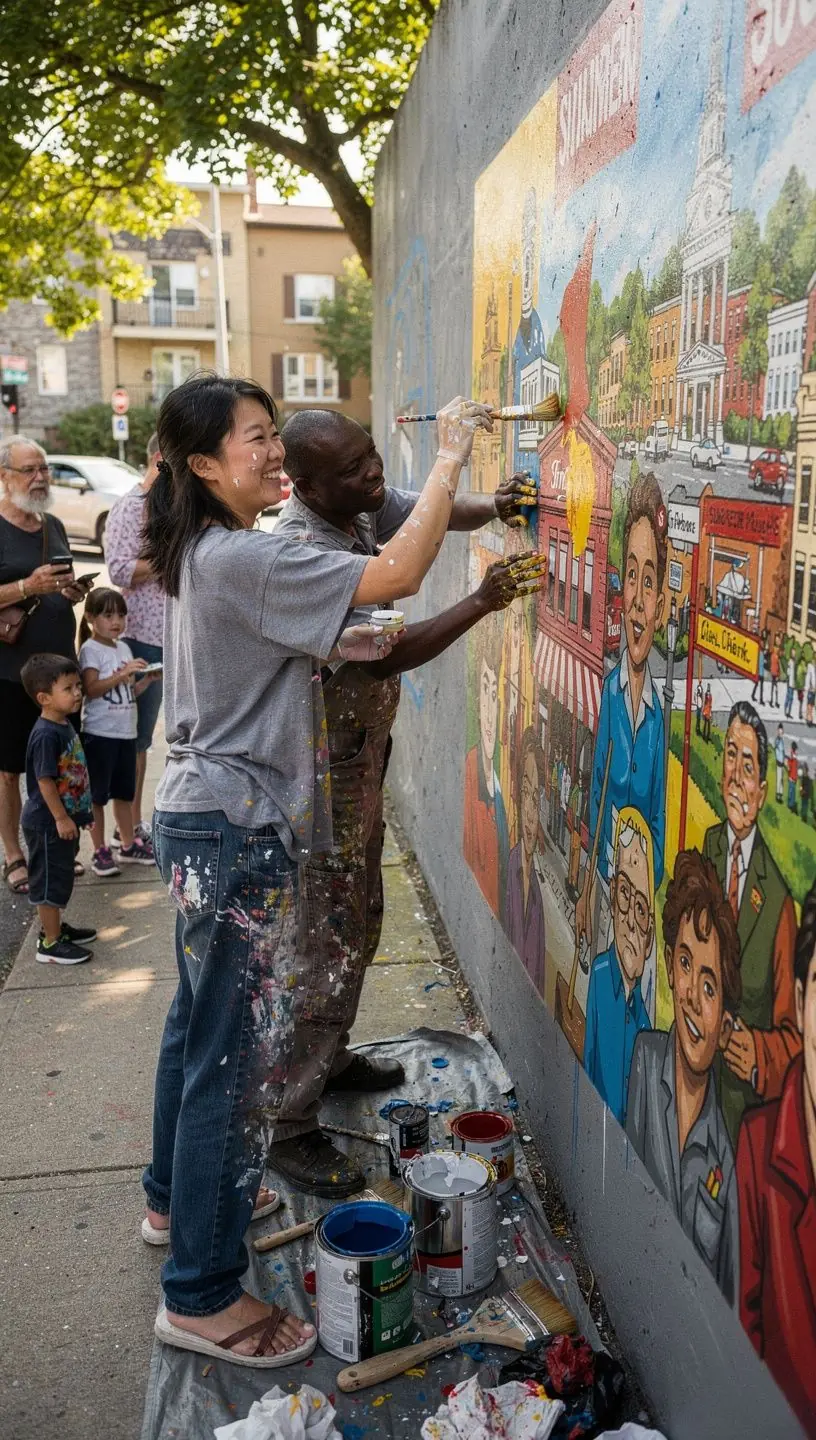
"Cultural festivals are essential in preserving and promoting community heritage while fostering social connections." - Cultural Studies Expert
Key Components of a Successful Festival
Many local festivals share common elements that contribute to their success:
- Community Involvement: Festivals often rely on the active participation of local residents and organizations. This involvement not only helps in organizing the event but also enhances the authenticity of the experience.
- Diverse Programming: A variety of activities, such as workshops, performances, and food stalls, can cater to different interests. Research indicates that festivals with diverse programming often attract larger audiences.
- Accessibility: Ensuring that events are accessible to all community members, including those with disabilities, can increase participation and inclusivity. Many successful festivals implement measures to accommodate various needs.
Examples of Notable Cultural Festivals in the U.S.
Across the United States, numerous cultural festivals celebrate regional heritage. For instance:
- New Orleans Mardi Gras: Known for its colorful parades and vibrant music, Mardi Gras is a celebration deeply rooted in the city's French and Spanish heritage.
- Indianapolis 500 Festival: This event celebrates the iconic auto race and features parades, a mini-marathon, and various community activities.
- Santa Fe Indian Market: The largest Native American arts market in the world, showcasing traditional and contemporary arts from hundreds of Native artists.
Challenges Faced by Cultural Festivals
While cultural festivals offer numerous benefits, they also face challenges that organizers must address:
- Funding: Securing financial resources can be a significant hurdle, as many festivals rely on sponsorships and local government support.
- Logistics: Planning and executing a large-scale event requires meticulous organization and collaboration among various stakeholders.
- Weather and Seasonality: Festivals often depend on favorable weather conditions, which can be unpredictable and may affect attendance.
Conclusion
Understanding local cultural festivals offers a window into the traditions and values of a community. By participating in these events, individuals can gain a deeper appreciation for cultural diversity and its role in societal cohesion. Engaging with such festivals may not only enrich personal experiences but also strengthen community ties, illustrating the importance of cultural celebration in our lives.