How Community Centers Foster Connections
Community centers play a pivotal role in fostering connections among residents. By bringing individuals together, they create a supportive environment that can strengthen local bonds and enhance community engagement.
The Role of Community Centers
Community centers serve as hubs where residents can gather, share experiences, and collaborate on various initiatives. According to research, these centers often engage diverse groups, helping to bridge gaps between different demographics and fostering inclusivity. Experts suggest that when community members feel connected, they are more likely to participate in local activities and advocate for their neighborhoods.
"Community centers can significantly enhance social networks, promoting a sense of belonging and support among residents." - Community Development Expert
Building Relationships Through Shared Activities
Many visitors to community centers report that participation in shared activities has helped them form lasting relationships. These activities may include:
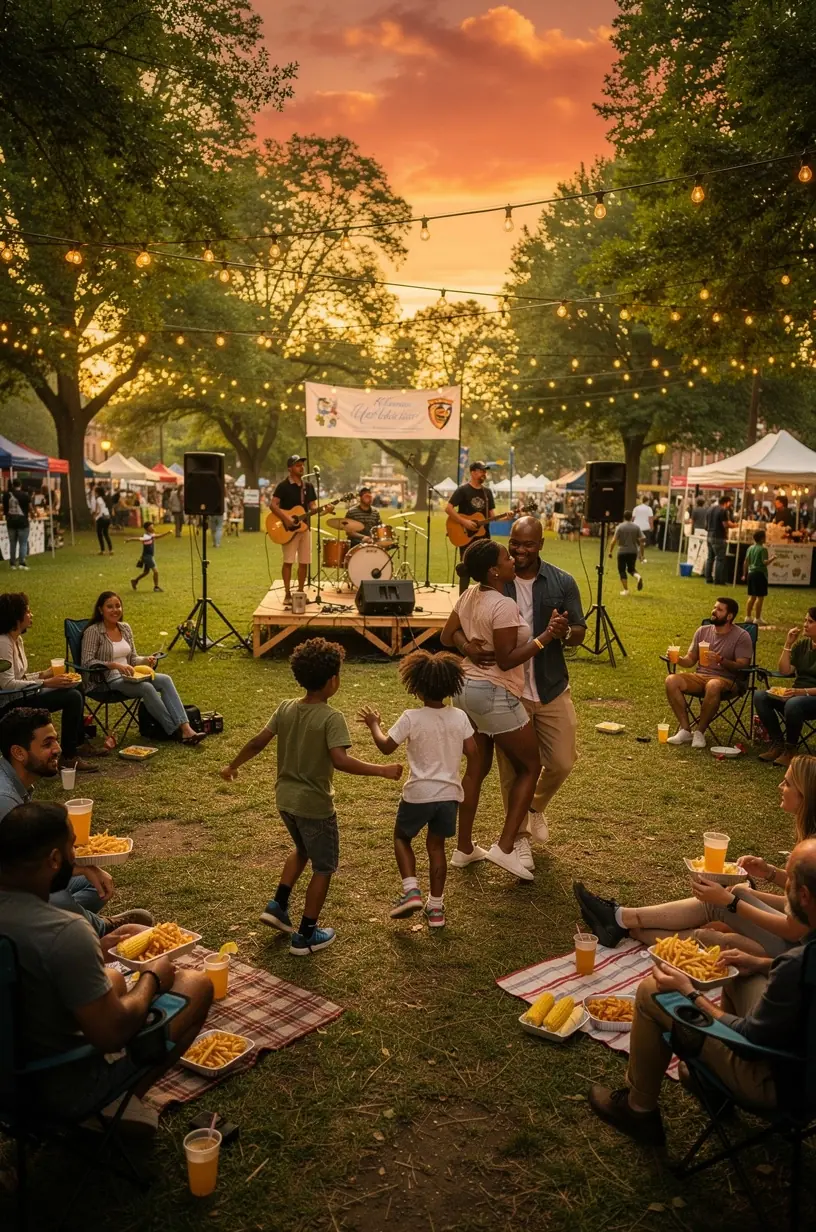
- Social events: Potlucks, festivals, and holiday celebrations are excellent ways for residents to meet and engage.
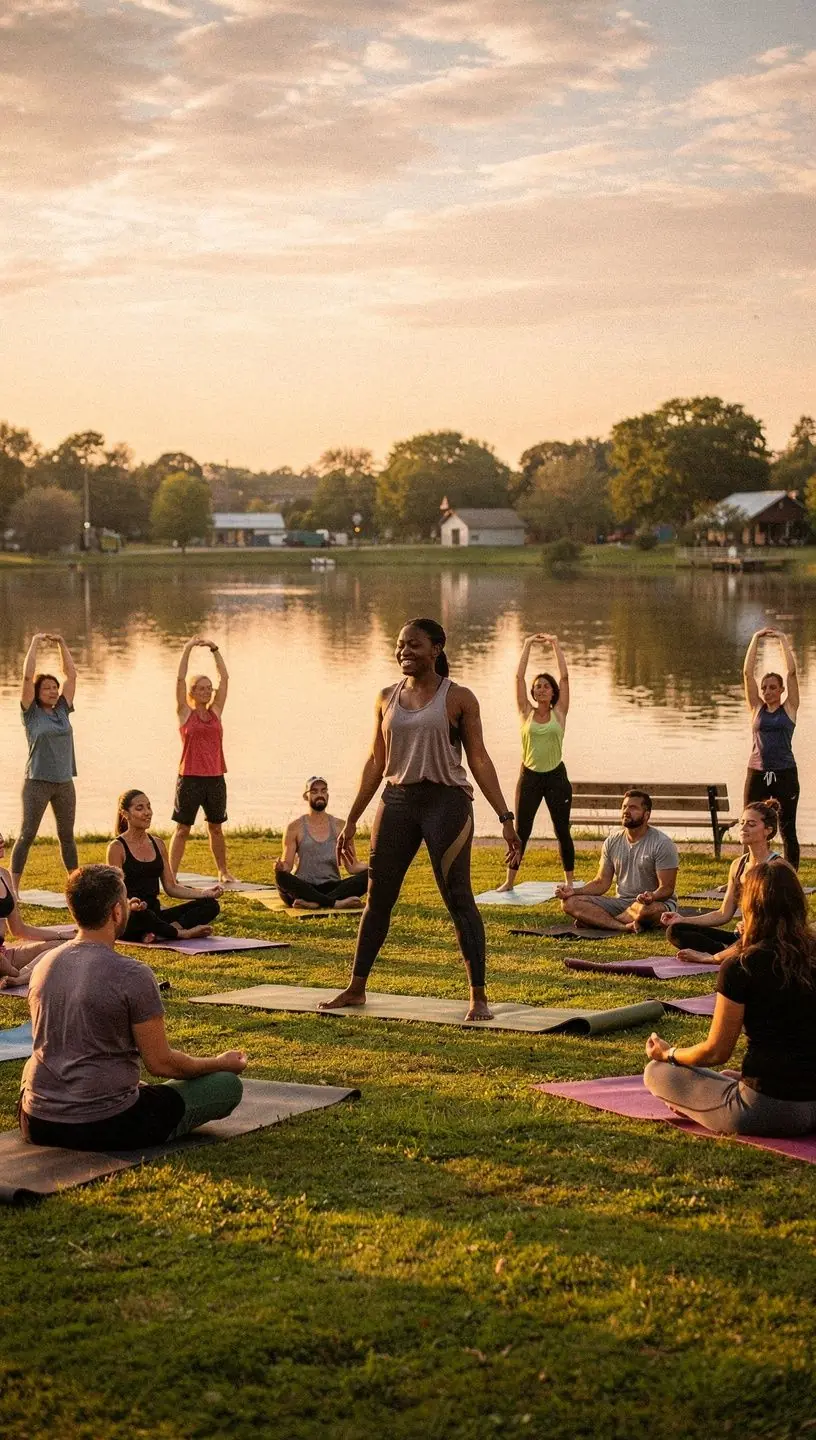
- Fitness classes: Group exercise programs not only promote health but also build camaraderie among participants.
- Arts and crafts: Creative workshops invite collaboration and self-expression, often leading to friendships.
Support and Resources for Residents
Community centers often provide resources that support the needs of local residents. These may include:
- Information and referral services: Many centers act as a link to essential services, helping residents find what they need.
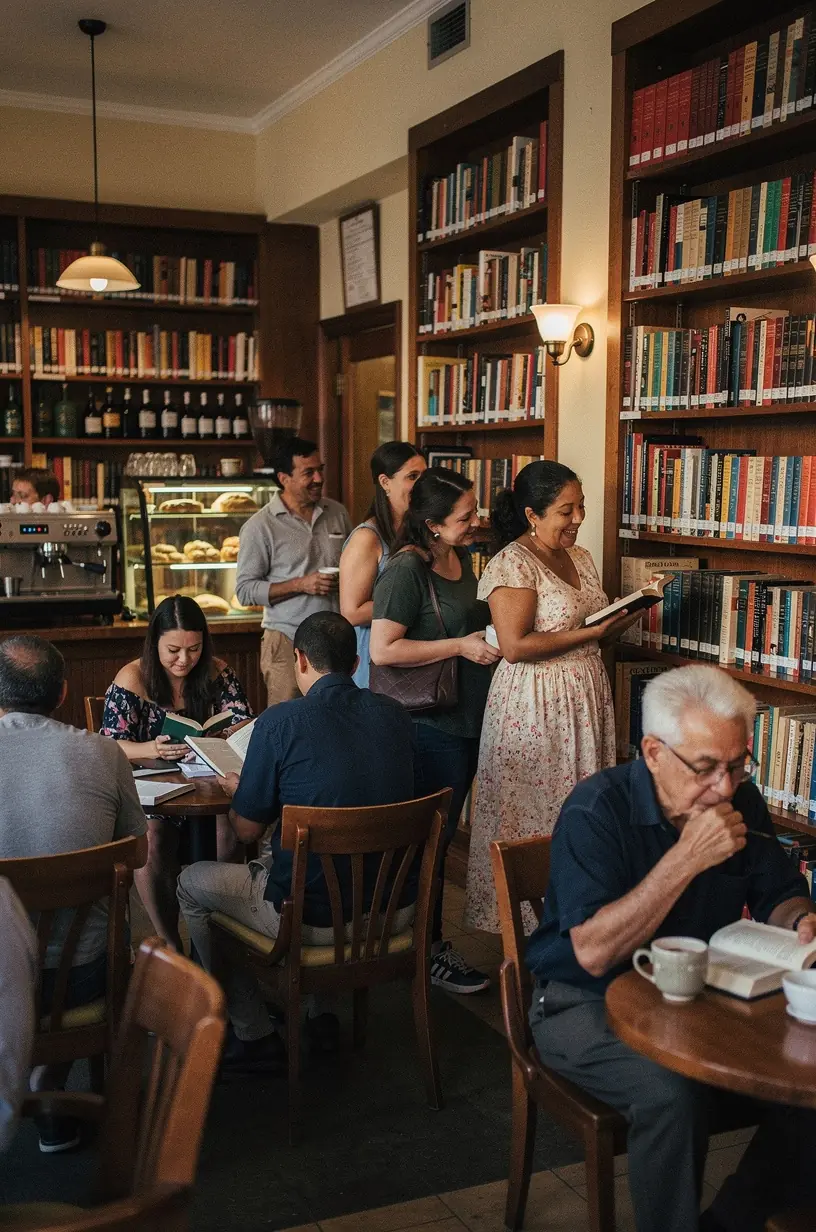
- Educational programs: Learning opportunities can empower individuals, contributing to personal growth and community development.
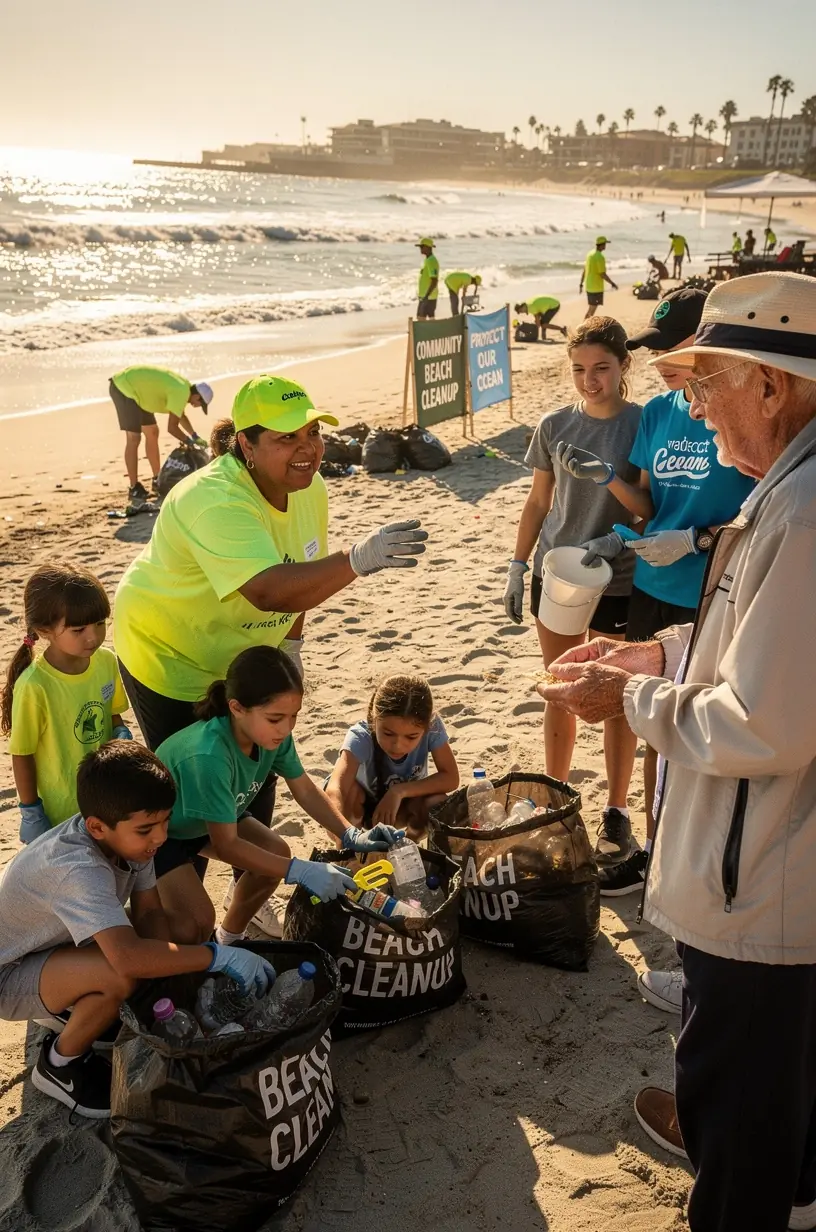
- Volunteer opportunities: Engaging in service not only helps the community but also encourages social interaction and teamwork.
Challenges and Considerations
While community centers can be effective in fostering connections, there are challenges that typically arise:
- Limited funding can restrict the range of activities offered, impacting engagement levels.
- Without ongoing outreach, some residents may not be aware of available programs, which can hinder participation.
- In some cases, community centers may struggle to address the diverse needs of all residents, especially in larger communities.
Conclusion
Community centers are essential for nurturing connections within neighborhoods. By providing a space for residents to engage, share, and collaborate, they help cultivate a stronger sense of community. As researchers indicate, fostering these connections can significantly improve the overall quality of life within a region. Sustaining and supporting these centers can lead to greater community involvement and a more vibrant local culture.