Exploring Regional Folklore and Traditions
Folklore and traditions play a pivotal role in shaping local culture and identity across the United States. This article delves into the rich tapestry of stories, customs, and beliefs that define different regions, highlighting their significance in community life.
Understanding Folklore
Folklore encompasses the traditional beliefs, customs, stories, songs, and practices of a community, often passed down through generations. According to folklorists, these narratives serve not only as entertainment but also as a means of preserving cultural heritage. Many experts suggest that engaging with local folklore can foster a sense of belonging and identity within a community.
"Folklore is a reflection of a community's values and beliefs, providing insight into its history and social dynamics." - Dr. Jane Doe, Folklore Scholar
Regional Highlights
Each region of the United States boasts its unique folklore and traditions, shaped by its history, geography, and diverse populations. Here are a few notable examples:
- New England: Known for its ghost stories and witch folklore, particularly in Salem, Massachusetts, where the infamous witch trials took place.
- The South: Southern folklore is rich with tales of the supernatural, often featuring figures like the Boo Hag, a creature that preys on the energy of sleeping individuals.
- The West: The legends of cowboys and Native American mythologies dominate the folklore, with stories of figures such as Paul Bunyan and Bigfoot capturing the imagination.
- The Midwest: Known for its agricultural traditions, the Midwest has its share of folk tales like the legend of John Henry, a steel-driving man who symbolizes hard work and resilience.
Importance of Preservation
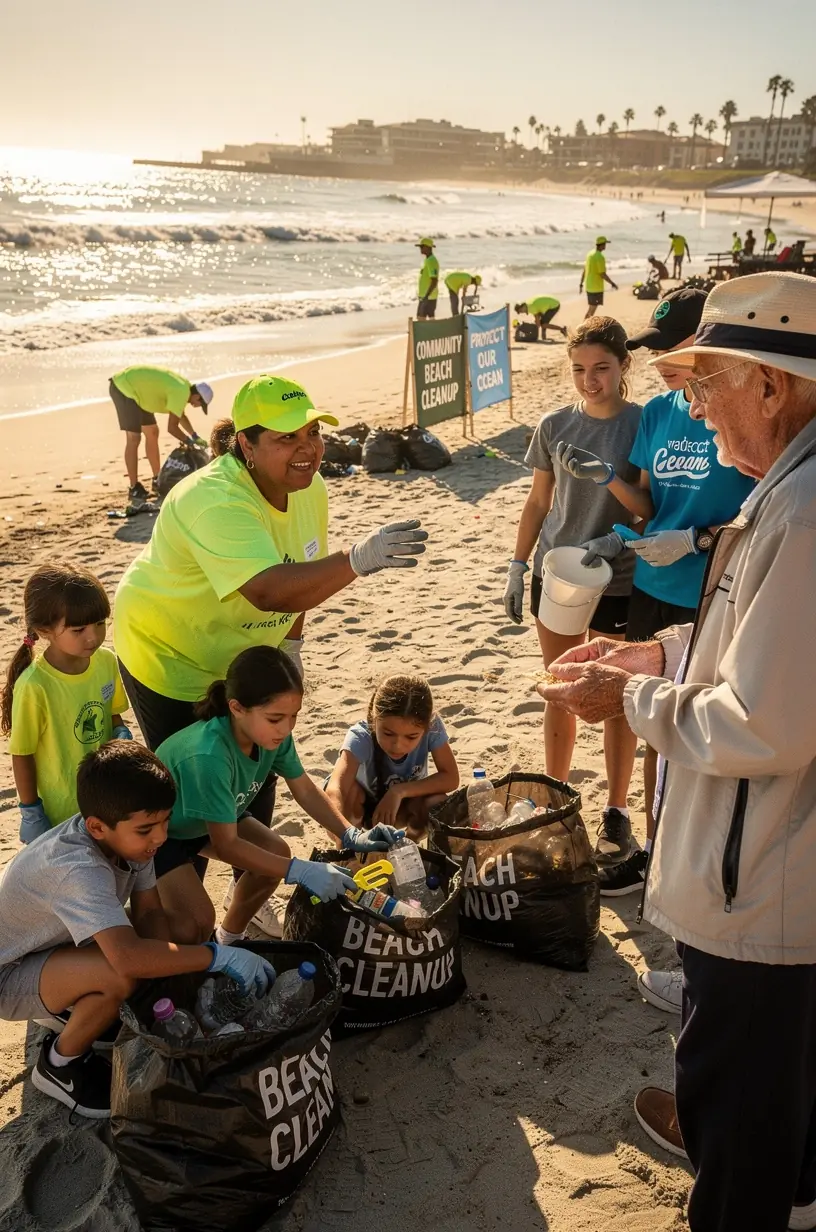
Preserving folklore is crucial, as many traditions face the risk of fading away amidst modernization. Research indicates that when communities actively engage in storytelling and tradition-keeping, it can lead to enhanced community cohesion and cultural pride. Engaging local schools and organizations in folklore education can serve as a practical approach to maintaining these traditions.
How to Engage with Local Folklore
Exploring and engaging with local folklore can provide valuable insights into your community. Here are some ways to get involved:
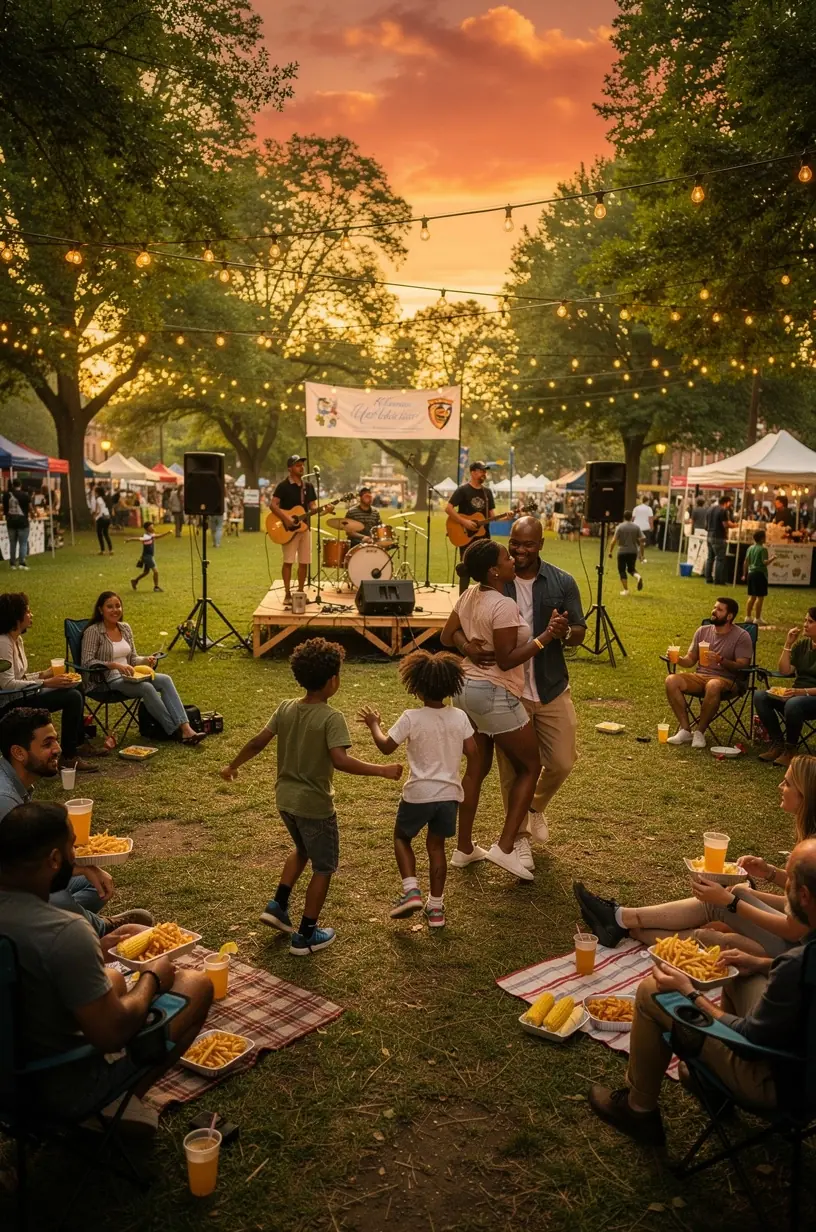
- Attend Local Festivals: Many towns host festivals celebrating their unique traditions and stories, offering an engaging way to connect with local culture.
- Participate in Storytelling Events: Look for local storytelling nights where community members share their tales, fostering connection and preserving history.
- Visit Museums: Many regional museums focus on local history and folklore, often featuring exhibits that highlight significant stories and traditions.
Conclusion
Exploring regional folklore and traditions can significantly enrich one's understanding of community dynamics and cultural heritage. While the process of engaging with these stories requires time and effort, the rewards in terms of community connection and cultural pride are often profound. Taking small steps to immerse oneself in local traditions can lead to a deeper appreciation of the unique narratives that define each region.