Practical Tips for Sustainable Local Living
In recent years, sustainable living has gained traction as a vital aspect of community health and environmental stewardship. This article offers practical insights on how individuals can embrace sustainable practices in their daily lives, fostering a stronger local community while also contributing to broader ecological goals.
Understanding Sustainable Living
Sustainable living encompasses a lifestyle that aims to reduce an individual's or society's use of the Earth's natural resources. According to studies, sustainable practices can significantly lower carbon footprints and promote environmental health.
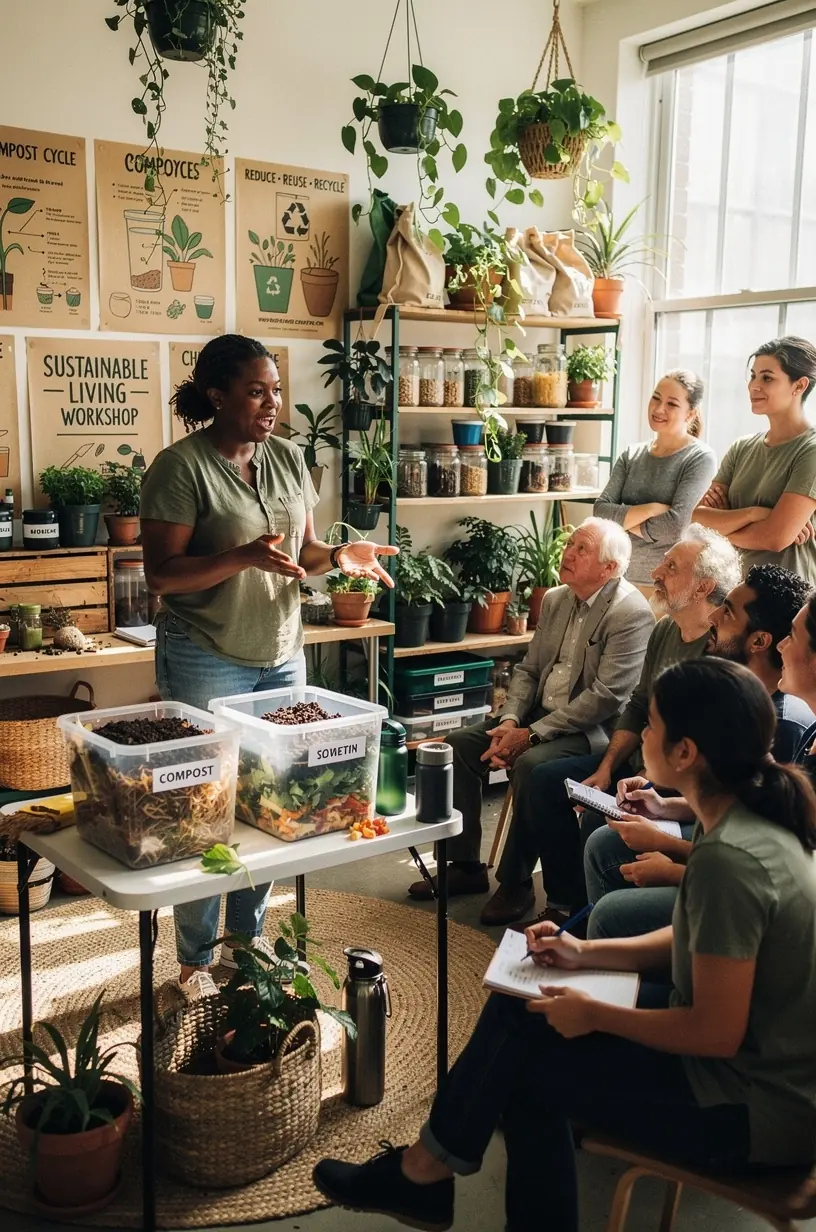
"The principle behind sustainable living is that it seeks to balance ecological integrity with human activity, ensuring a healthy planet for future generations."
Practical Tips for Implementing Sustainability
- Embrace Local Produce: Supporting local farmers not only boosts the local economy but also reduces carbon emissions associated with transportation. Research indicates that consuming seasonal produce can decrease your environmental impact by up to 30%.
- Reduce, Reuse, Recycle: Following the three R's can significantly minimize waste. Studies show that systematic recycling can reduce waste by about 50%. Begin by establishing a home recycling system, which typically requires minimal effort but yields substantial benefits.
- Consider Energy Efficiency: Implementing energy-efficient appliances is an effective way to lower energy consumption. According to experts, homes equipped with energy-efficient systems can see a reduction in energy bills by 10-30%. This works best when residents commit to regular maintenance of their appliances.
- Engage in Community Gardening: Participating in or establishing a community garden promotes biodiversity and provides fresh produce. Experts recommend that local gardens can enhance community bonds and provide educational opportunities about sustainable agriculture.
- Conserve Water: Simple measures such as fixing leaks and using water-efficient fixtures can save significant amounts of water. The Environmental Protection Agency (EPA) suggests that households can reduce water usage by 20-30% through these practices.
Acknowledge the Challenges
While adopting sustainable practices is beneficial, it's essential to recognize potential challenges. Many individuals report a learning curve when transitioning to a more sustainable lifestyle, which often requires a commitment of time and effort. Setting realistic expectations and gradually integrating these practices can lead to lasting changes.
Conclusion
Incorporating sustainable living practices into daily life is not only beneficial for the environment but also enhances local communities. By adopting simple yet effective strategies, individuals can contribute to a more sustainable future. Remember, the journey toward sustainable living is a gradual process that requires patience and dedication, but the positive impacts are well worth the effort.